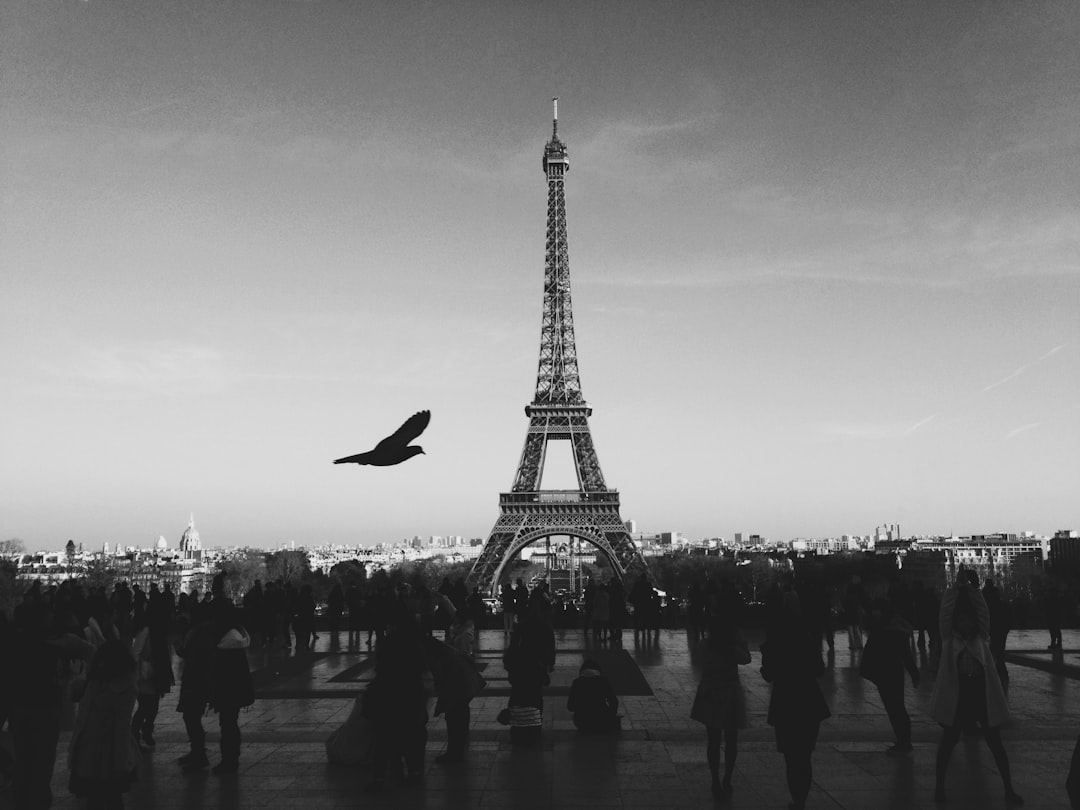
The ultimate paris travel guide first time visitors need. Top sights, food, transport tips & budgets in EUR. Plan your perfect Paris trip today.
Paris Travel Guide First Time Visitors Will Actually Use
Paris. The name alone conjures images of iron lattice towers reflected in the Seine, butter-glazed croissants on marble café tables, and centuries of art stacked floor to ceiling in grand stone palaces. For first-time visitors, the French capital can feel simultaneously thrilling and overwhelming. With 20 arrondissements, hundreds of museums, and a metro system that crisscrosses the city like a dense spider's web, knowing where to begin is half the battle.
This paris travel guide first time visitors can rely on covers everything — from the best neighborhoods to explore, to what a realistic daily budget looks like, to the cultural etiquette that separates confident travelers from obvious tourists. Whether the trip is a long weekend or a full two weeks, this guide provides the essential framework for experiencing Paris at its finest.
Understanding Paris: City Layout and First Impressions
Paris is divided into 20 districts called arrondissements, numbered 1 through 20 in a clockwise spiral from the historic center near the Louvre. Understanding this numbering system helps travelers orient themselves quickly. The lower the number, the closer to the ancient heart of the city.
The Seine River bisects Paris into the Rive Droite (Right Bank) to the north and the Rive Gauche (Left Bank) to the south. The Right Bank is generally associated with grand boulevards, luxury shopping, and major landmarks like the Louvre and the Opera Garnier. The Left Bank, particularly the 5th and 6th arrondissements, carries a more intellectual and bohemian reputation, home to the Sorbonne, the Luxembourg Gardens, and the legendary Saint-Germain-des-Prés neighborhood.
Best Neighborhoods for First-Time Visitors

Photo by Fabien Maurin on Unsplash
Le Marais (3rd & 4th arrondissements) is widely considered the ideal base for first-timers. It offers medieval architecture, Jewish bakeries, contemporary art galleries, and excellent transport links — all within walking distance. Accommodation here tends to range from €120 to €300 per night for mid-range hotels.
Saint-Germain-des-Prés (6th arrondissement) suits travelers who want a quieter, more literary atmosphere. Iconic cafés like Café de Flore and Les Deux Magots sit just steps from the Boulevard Saint-Germain.
Montmartre (18th arrondissement) rewards those willing to climb steep cobblestone streets with sweeping views over the city and the iconic white dome of the Sacré-Cœur Basilica. While undeniably touristy in pockets, its village-like lanes and hidden squares still hold genuine Parisian charm.
The 7th arrondissement is prime real estate for iconic sightseeing. The Eiffel Tower, the Musée d'Orsay, and the Rodin Museum are all within easy walking distance of one another.
Top Attractions and Sights in Paris for First-Time Travelers
No paris travel guide for first time visitors would be complete without addressing the city's world-famous monuments and museums. The challenge is not finding things to do — it is deciding what to prioritize.
The Eiffel Tower

Photo by Chris Karidis on Unsplash
The Eiffel Tower remains the single most visited paid monument in the world, and experiencing it in person is genuinely different from seeing it in photographs. Built in 1889 as the entrance arch for the World's Fair, the tower stands 330 meters tall and offers three observation levels.
- Second floor (115m): Accessible by stairs or elevator; restaurants and panoramic views
- Top floor (276m): Elevator only; the best unobstructed panorama of Paris
Ticket prices vary: stair access to the second floor costs approximately €14.20 for adults, while the summit elevator ticket runs €31.80. Booking online in advance through the official website is strongly advised, as same-day queues can exceed two hours.
The tower is illuminated every night and sparkles for five minutes every hour after dark — a spectacle best viewed from the Trocadéro esplanade across the Seine.
The Louvre Museum

Photo by Michael Fousert on Unsplash
With over 35,000 works on display across 72,735 square meters of exhibition space, the Louvre is the world's largest art museum. A single visit cannot do it justice, but strategic planning helps enormously.
First-time visitors should prioritize:
- The Winged Victory of Samothrace (Denon Wing, ground floor)
- Venus de Milo (Sully Wing, first floor)
- Leonardo da Vinci's collection, including the Mona Lisa (Denon Wing, first floor)
Admission costs €22 per adult. Tickets must be purchased in advance online — walk-up entry is no longer reliably available. The museum is closed on Tuesdays.
Musée d'Orsay

Photo by ROBZ on Unsplash
Housed in a converted Beaux-Arts railway station, the Musée d'Orsay holds the world's largest collection of Impressionist and Post-Impressionist masterpieces, including works by Monet, Renoir, Degas, Van Gogh, and Cézanne. For many visitors, this proves more emotionally impactful than the Louvre.
Admission is €16 per adult. The museum is closed on Mondays.
Notre-Dame Cathedral

Photo by Hannah Reding on Unsplash
After the devastating fire of April 2019, Notre-Dame de Paris has undergone an extraordinary restoration and officially reopened its doors in December 2024. First-time visitors now have the rare opportunity to witness one of Gothic architecture's greatest achievements in its newly restored state. Entry to the cathedral is free, though timed entry reservations are recommended during peak season.
Versailles Day Trip

Photo by 继禹 郝 on Unsplash
While not technically within Paris city limits, the Palace of Versailles is an essential excursion for many first-time visitors. Located approximately 40 minutes southwest by RER C train (fare approximately €7.20 round trip), Versailles offers the opulent State Apartments, the Hall of Mirrors, and the extraordinary formal gardens.
Palace entry costs €21.50 for adults. Gardens entry is free on most weekdays outside of fountain show days.
Getting Around Paris: Transportation Tips for First-Time Visitors
Paris has one of Europe's most extensive and efficient public transport networks, operated by RATP. For first-time visitors, mastering the basics makes the entire trip significantly smoother.
The Paris Metro

Photo by Louis Paulin on Unsplash
The metro operates 16 lines and covers virtually every major attraction in the city. Trains run from approximately 5:30 AM to 1:15 AM on weekdays (until 2:15 AM on Fridays and Saturdays).
A single metro ticket (called a t+ ticket) costs €2.15 if purchased individually. However, the most economical option for short-stay visitors is the Navigo Easy card (€2 card fee) loaded with a carnet of 10 rides at €17.35 — approximately €1.73 per journey.
For visitors planning to travel extensively over multiple days, the Navigo Découverte weekly pass costs €30 and covers unlimited travel on metro, RER (within zones 1–2), buses, and trams. This represents exceptional value for those staying five or more days.
Walking and Cycling

Photo by Emile on Unsplash
Paris is a remarkably walkable city. Many of the top attractions in the 1st through 8th arrondissements are within 30–45 minutes of each other on foot, and walking between them allows travelers to discover hidden courtyards, street markets, and neighborhood bakeries that no metro map can reveal.
The city's Vélib' Metropole bike-share system offers an affordable alternative. A 24-hour pass costs €5 for mechanical bikes (first 30 minutes of each ride free) and €10 for electric bikes. Dedicated cycling lanes now cover much of the city center.
Taxis and Ride-Share

Photo by Marloes Hilckmann on Unsplash
Official Parisian taxis charge a base fare of €4.18, with per-kilometer rates varying by time of day and zone. Airport transfers (CDG to central Paris) typically cost between €50–€65 by taxi. Uber operates widely in Paris and often proves slightly cheaper than taxis for city journeys.
Where to Eat and Drink: Paris Food Guide for First-Timers
Paris dining culture is a destination in itself. Understanding it helps travelers avoid tourist traps and find genuinely memorable meals.
The French Breakfast Ritual

Photo by Marloes Hilckmann on Unsplash
The Parisian breakfast (petit déjeuner) is deliberately minimal by international standards: a croissant or pain au chocolat (€1.20–€2.50 from a boulangerie) paired with a café crème or espresso. Standing at the zinc bar of a neighborhood café costs less than sitting at a table — a tradition locals follow as a matter of course.
Authentic croissants are made with pure butter (pur beurre) and shatter into delicate flakes when bitten. Avoid croissants sold at supermarkets or airport kiosks, which are typically made with margarine.
Brasseries and Bistros

Photo by Kevin Dowling on Unsplash
The brasserie is the cornerstone of Parisian casual dining — a lively, informal restaurant open throughout the day, typically serving reliable classics like steak frites, croque monsieur, onion soup (soupe à l'oignon gratinée), and moules marinières.
A two-course formule (set lunch menu) at a typical brasserie runs €15–€22 and represents the best value dining in Paris. This typically includes an entrée (starter) and a plat (main), or plat and dessert.
Bistros are smaller, more intimate, and often family-run. They tend to serve more carefully composed seasonal menus. Budget €35–€55 per person for dinner at a reputable bistro, excluding wine.
Wine, Cheese, and Market Culture

Photo by Thomas Leblanc on Unsplash
Paris has over 70 open-air markets (marchés) operating across the city on rotating days. The Marché d'Aligre (12th arrondissement, open Tuesday–Sunday mornings) and the Marché des Enfants Rouges in the Marais (the city's oldest covered market) are ideal for sampling charcuterie, regional cheeses, fresh produce, and prepared foods at local prices.
A glass of house wine (pichet de vin) at a Parisian café costs approximately €5–€8. A bottle of decent Bordeaux at a restaurant typically begins around €25–€35.
Practical Tips and Cultural Etiquette for First-Time Paris Visitors
Understanding a few basic cultural norms goes a long way toward earning respectful, warm interactions from Parisian locals — who have a reputation that is more myth than reality when travelers make the effort to engage properly.
Language Basics

Photo by Léonard Cotte on Unsplash
Beginning every interaction — in shops, cafés, restaurants, and hotels — with "Bonjour" (good day) or "Bonsoir" (good evening) is not optional in French social culture: it is a fundamental courtesy. Failing to do so is the single most common reason visitors receive a cool reception.
A few phrases that prove invaluable:
- "S'il vous plaît" — Please
- "Merci beaucoup" — Thank you very much
- "L'addition, s'il vous plaît" — The bill, please
- "Parlez-vous anglais?" — Do you speak English?
Tipping Culture

Photo by Dyana Wing So on Unsplash
Service (service compris) is legally required to be included in restaurant bills in France. Additional tipping is appreciated but never expected. Rounding up to the nearest euro, or leaving €2–€5 for exceptional service at a sit-down restaurant, is customary among both locals and respectful visitors.
Dress Code and Museum Etiquette
Photo by Michael Fousert on Unsplash
Paris is a city that takes personal presentation seriously. While strict dress codes are rare outside of fine dining establishments, travelers who dress thoughtfully (neat casual to smart casual) are generally treated with more warmth in boutiques, restaurants, and galleries.
In museums and churches, photography rules vary. Notre-Dame Cathedral permits photography inside. The Louvre permits non-flash photography throughout most galleries. Audio guides (typically €5–€7) are available at major museums and significantly enrich the experience.
Safety and Common Scams

Photo by Denise Schuld on Unsplash
Paris is generally a safe city for tourists, but pickpocketing in crowded areas — particularly around the Eiffel Tower, Montmartre, and on the metro — warrants vigilance. Keeping bags in front, using inside jacket pockets for valuables, and being wary of distraction tactics (the "petition" scam near major monuments is well-documented) are standard precautions.
Best Time to Visit Paris

Photo by Chris Karidis on Unsplash
Paris rewards visitors year-round, but each season offers a different experience:
- Spring (April–June): Cherry blossoms, mild temperatures (14–22°C), and the city at its most photogenic. Peak tourist season begins in May.
- Summer (July–August): Long days and outdoor festivals, but crowds are at maximum and prices peak. Many Parisians leave the city in August.
- Autumn (September–November): Arguably the finest season — golden light, fewer crowds than summer, harvest season produce in markets, and lower accommodation prices.
- Winter (December–February): Christmas lights and holiday markets create a magical atmosphere. Museums are far less crowded, and accommodation prices drop substantially.
Budget Planning: How Much Does Paris Cost in EUR?
Paris has a reputation for being expensive, and while it is not a budget destination by any measure, careful planning makes it manageable at a range of price points.
Sample Daily Budgets

Photo by Thomas Leblanc on Unsplash
Budget Traveler (€80–€120/day)
- Hostel dormitory bed: €30–€45
- Boulangerie breakfast: €4–€6
- Brasserie lunch formule: €16–€20
- Supermarket or market dinner: €10–€15
- Metro day pass: included in Navigo weekly
- 1–2 paid attractions with advance booking
Mid-Range Traveler (€200–€350/day)
- 3-star or boutique hotel: €130–€200
- Café breakfast: €10–€14
- Bistro lunch: €25–€35
- Restaurant dinner with wine: €55–€80
- Museum admissions and day trips
Luxury Traveler (€600+/day)
- 4–5 star hotel or design boutique property: €300–€700+
- Fine dining restaurants (some with Michelin recognition): €100–€250+ per person
- Private guided tours and exclusive experiences
Free Things to Do in Paris

Photo by Léonard Cotte on Unsplash
Some of Paris's finest experiences carry no admission charge:
- Strolling the Jardin des Tuileries and Jardin du Luxembourg
- Exploring the Père Lachaise Cemetery, resting place of Édith Piaf, Oscar Wilde, and Jim Morrison
- Walking across the Île Saint-Louis and along the Canal Saint-Martin
- Visiting the permanent collections of the Musée Carnavalet (History of Paris) — free admission
- Watching the Eiffel Tower sparkle from the Trocadéro at night
Final Thoughts: Making the Most of a First Visit to Paris
Paris rewards curiosity, patience, and a willingness to slow down. The travelers who return from Paris with the most vivid memories are rarely those who rushed from monument to monument on a rigid schedule. They are the ones who spent an unplanned hour at a café watching the street, who followed a side alley in the Marais and found a courtyard garden, who asked the fromagerie owner for a recommendation and received a ten-minute passionate dissertation on Comté versus Beaufort.
This paris travel guide first time visitors have worked through is a foundation — not a prescription. Paris has been inspiring travelers for centuries, and it continues to reveal new layers to those willing to engage with it on its own unhurried terms. Book the key attractions in advance, learn the four or five French phrases that open doors, get a Navigo card, and then allow Paris the space to surprise.
Few cities in the world do it better.

관련 콘텐츠
Paris 인기 투어 & 액티비티
추천 장소


인천 출발 약 12시간 소요